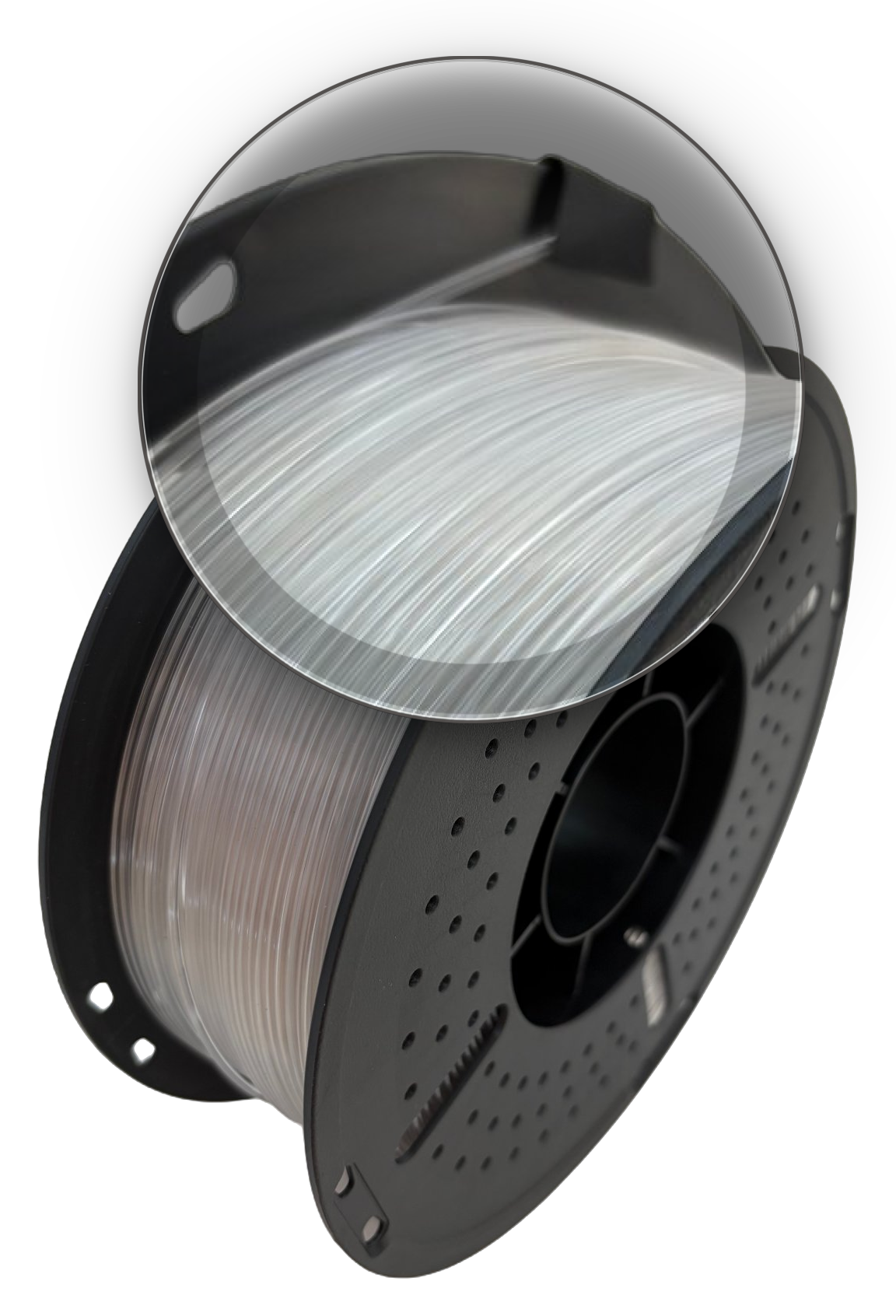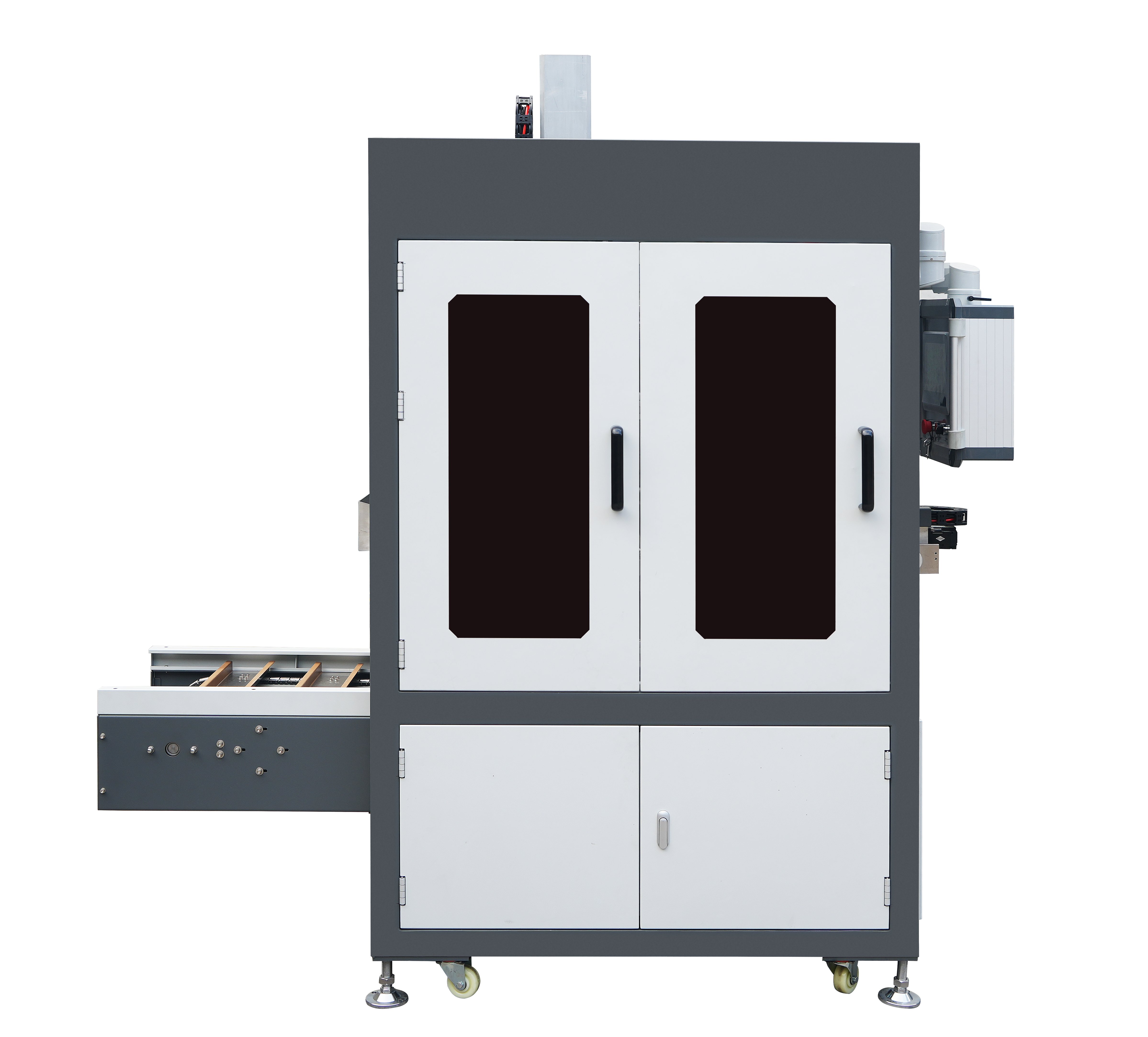
Rongcai Machinery at TCT Shanghai 2026: 17-19 March Show Report
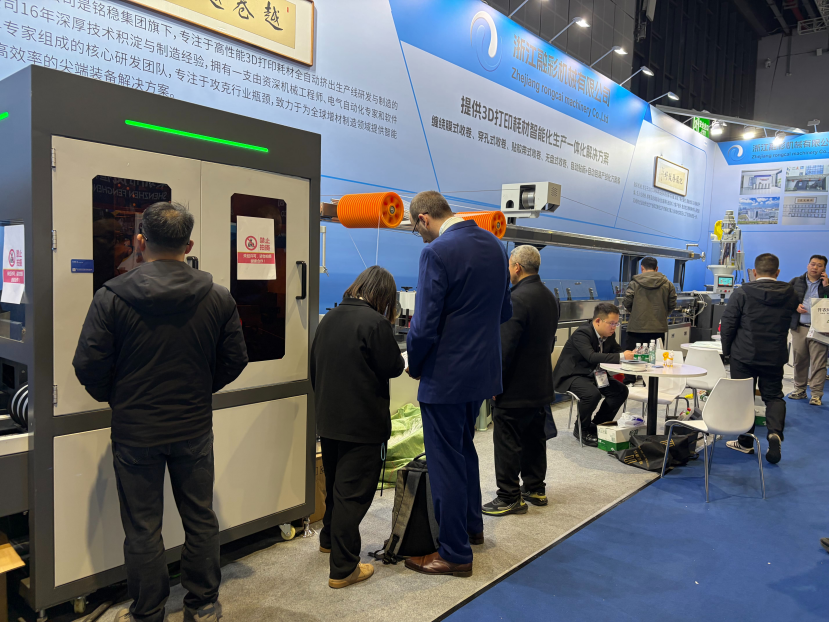
Rongcai Machinery exhibited at TCT in Shanghai from 17 to 19 March 2026, running a 3D printing filament extrusion and automatic winding line on the booth for visitors from the filament industry. This report covers what was shown and the three questions that came up most often.
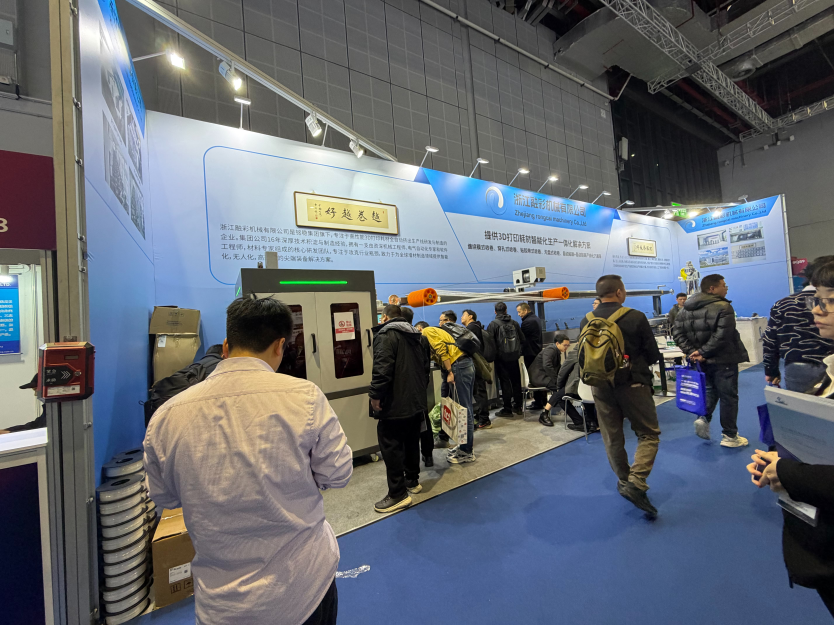
Zhejiang Rongcai Machinery Co., Ltd exhibited at TCT in Shanghai from 17 to 19 March 2026. On the booth the company ran a 3D printing filament extrusion and automatic winding line, and spent three days talking to filament producers, material suppliers and extruders about the equipment behind a finished spool.
What ran on the booth in Shanghai
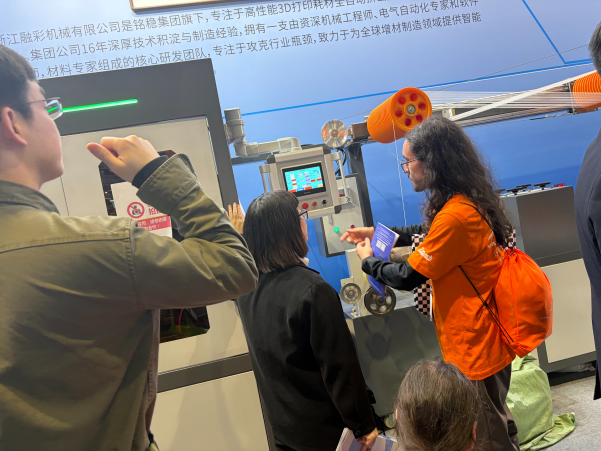
The booth showed a production line rather than a single machine. Extrusion, cooling and sizing, in-line diameter measurement, traction and automatic winding with filament end fixing ran in sequence, in the order a filament plant would operate them. The materials presented alongside the line were PETG, PLA and PLA+.
The same line is built at Rongcai's production base in Pingyang, Wenzhou, and the exhibition configuration is the standard configuration customers buy. That is deliberate: a booth that runs a production setup is more useful to a buyer than one that shows cabinets with the doors closed.
The three questions that came up most often
How the diameter stays inside tolerance
Filament diameter is the result of a balance rather than one setting. Melt output from the extruder, the cooling and sizing section that sets the strand, and the traction speed that follows all have to hold their part of the agreement. In-line measurement reports the result while the line is running, which is what makes the correction possible before a spool is finished rather than after. The practical questions at the booth were about which setting to move first when diameter drifts, and the answer depends on whether the drift appears at the start of a run, during a run, or only on part of the strand.
Whether one line can run PETG, PLA and PLA+
Yes, with the settings changed between materials. The three materials set at different rates and hold different internal stress, so cooling temperatures and line speed are configured per material. A setting that produces good filament on PETG is not automatically correct for PLA+, which is why material is one of the first things to state when a line is specified.
How a finished spool actually ends
Winding runs automatically, including the filament end fixing that makes a spool ready to pack. Rongcai offers two fixing arrangements: tape fixing, and a threading hole in the spool. Which one suits a plant depends on the spool it uses and on the finishing step that follows winding, and both were demonstrated in discussion rather than as a single recommendation.
What buyers took away from the three days
- The line is specified from the requirement. Material, filament diameter, target output, spool specification and the level of automation are the inputs that decide the configuration.
- Cooling and winding are not afterthoughts. Both decide whether a line that measures well also delivers spools that pack and print well.
- Automation is a staffing question as much as a quality question. Automatic winding and end fixing remove manual handling from the end of the line.
Talking to Rongcai after the exhibition
If you were at the Shanghai show and want to continue the conversation, or if you did not attend and have a filament line in planning, send the material, the filament diameter, the target output and the spool specification. You can review the two equipment families on the products page, and preparation guidance is collected in the filament extrusion machine buying guides.
Request a quote with your requirement, or write to the team through the contact page. Booth and exhibition updates from Rongcai are collected under Trade Shows & Exhibitions.
Talk to Rongcai about your line
Send the material, filament diameter, target output and spool specification you work with, and Rongcai reviews a matching configuration.