How to Choose a 3D Printing Filament Extrusion Line
A filament extrusion line is specified from the requirement side. This guide works through the six answers that decide a configuration, the difference between extrusion output and finished spools, and the questions worth asking any supplier before ordering.

A filament extrusion line should be specified from your production requirements, not from machine size alone. Before comparing two lines, document six items: the material, the filament diameter and required tolerance, your target saleable output, the operator involvement you expect, the spool format, and the power supply and installation conditions at your factory. Suppliers build every quotation from these details.
Filament extrusion line selection checklist
Before requesting a quotation, prepare as much of the following as you can:
- Material: PLA, PLA+, PETG, or other materials you plan to process.
- Filament specifications: target diameter and required finished-filament tolerance.
- Production target: required output per hour or per shift, with the measurement basis clearly stated.
- Automation requirements: expected operator involvement, spool changes, and production monitoring.
- Spool specifications: spool dimensions and preferred filament-end fixing method.
- Factory conditions: available power supply, installation space, and any utilities required by the proposed line.
If some details are not yet available, you can still start a discussion with a supplier. The supplier can help identify which requirements need to be confirmed before the final configuration is quoted.
Start with the material list, not the machine size
PLA, PLA+, PETG and other materials may require different processing temperatures, cooling conditions and winding settings. Confirm which materials the quoted configuration is designed to process and whether adjustments or changeover procedures are needed when switching materials. Do not assume that every line configuration will process every material under identical conditions: ask the supplier to confirm the supported material range and any relevant operating requirements for your intended application. The 3D printer filament extrusion lines overview shows how the current lines are organised.
Decide what output figure you are buying
- Extrusion output per hour describes the amount of polymer processed by the extruder under stated operating conditions.
- Finished production output describes the filament produced after considering the full line process, including cooling, measurement, traction, winding, and any relevant stops or changeovers.
These figures do not necessarily represent the same production basis. Ask the supplier to define the quoted output figure and to state the material, operating conditions and assumptions used. If you plan production by shift, also discuss spool size, changeover time, downtime and the amount of operator involvement expected. Avoid comparing headline output figures from different suppliers until you understand how each figure was measured or estimated.
Match the automation level to your labour situation
Compare the points on the line that require operator involvement, including material loading and changeover, spool changes, filament-end fixing, quality sampling, and responses to alarms or production interruptions. An automatic winding stage may reduce some manual tasks, but the actual labour requirement depends on the equipment configuration and workflow. Ask the supplier to explain which tasks are automatic, which still require an operator, and how spool changes and abnormal conditions are handled. If labour availability is not your main constraint, compare the cost and practical value of different automation levels rather than assuming that the highest level of automation is always the best choice.
Check the spool format before the machine is built
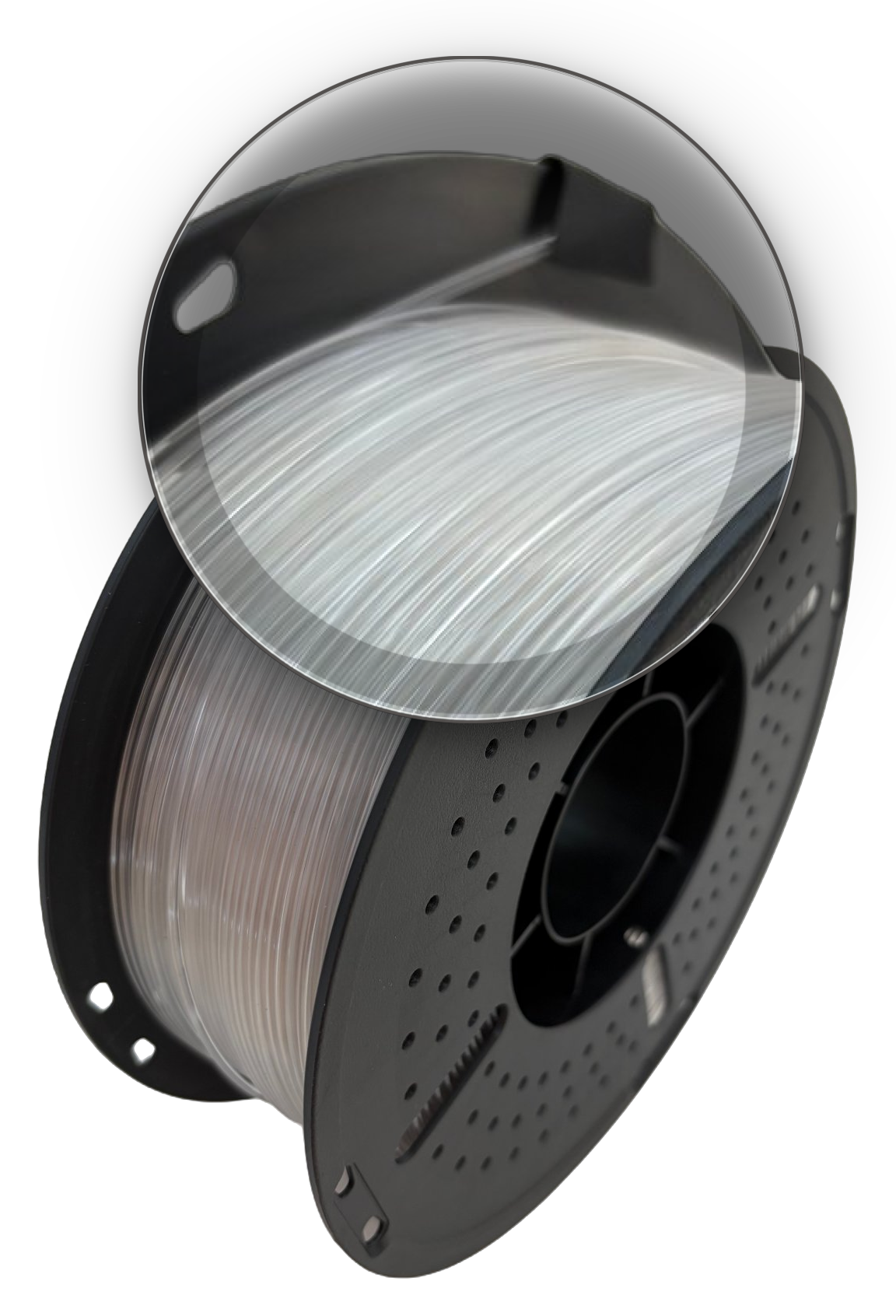
The winding section must be compatible with the spool dimensions and winding method required for your production. Confirm the spool core diameter, spool width, maximum outside diameter and any relevant hole dimensions before the configuration is finalised. Also confirm how the filament end is secured:
- Tape-fixing winding: the filament end is fixed to the spool using tape.
- Threading-hole winding: the filament end is secured through a suitable hole in the spool.
The two methods have different spool requirements. Do not assume a spool designed for one method is suitable for the other. Provide spool drawings or samples when possible, and ask the supplier to confirm compatibility before ordering.
Compare high-speed and standard-speed configurations
High-speed and standard-speed lines should be compared against your target output, material requirements, winding method and required configuration. A speed label alone is not enough to determine which line is appropriate for a particular factory. Rongcai's two current configurations differ in documented output and line speed:
| Comparison point | RC50 High-Speed Line | RC45 Standard-Speed Line |
|---|---|---|
| Extrusion output | ≤ 37 kg/h, adjustable | ≤ 25 kg/h, adjustable |
| Traction and winding speed | Up to 200 m/min | Up to 120 m/min |
Winding options also differ between the two models: the RC-45 is available in tape-fixing and threading-hole winding configurations, while the RC-50 is currently offered as a tape-fixing configuration. The RC50 high-speed 3D filament extrusion line and RC45 standard-speed 3D filament extrusion line product pages carry each line's full documented specification, and the filament extrusion line comparison page sets the two models side by side. Confirm all technical parameters and application requirements in the quotation for the specific configuration before ordering.
Check whether the quoted specifications are comparable
Before comparing quotations, confirm that each supplier is using the same measurement basis.
Extrusion output
Ask whether the stated figure is an extruder output rating or an expected production result for the complete line, and request the operating conditions and assumptions behind the figure.
Finished-filament diameter and tolerance
State the target filament diameter and the required finished-filament tolerance. Ask how the supplier defines and verifies that tolerance under the proposed operating conditions.
Diameter measurement accuracy
Ask what measurement accuracy the online diameter gauge provides and how the measurement system is configured. Measurement accuracy and finished-filament diameter tolerance are different specifications; one should not be treated as proof of the other.
Line speed
Confirm whether the quoted speed is a maximum rated value or an expected operating speed for your material, product requirements and selected configuration.
Included equipment
Ask whether the cooling system, diameter measurement system, traction unit, winding station and control system are included in the quoted scope or priced separately. Compare quotations only after the scope of supply is clear.
A meaningful comparison requires matching specifications, operating assumptions and equipment scope — not just headline output or price.
Questions to ask any supplier before ordering
Which materials will the quoted line process?
Ask the supplier to identify the materials covered by the proposed configuration and explain whether adjustments or changeover procedures are required when switching materials.
What is included in the quoted scope?
Confirm whether the cooling, measurement, traction, winding and control systems are included. Ask for a written scope of supply so you can compare quotations consistently.
What information has the biggest effect on the configuration and price?
The required output, level of automation, winding method, material range and product specifications can affect the proposed configuration. Ask the supplier which requirements drive the quotation and which options can be adjusted to fit your budget.
What site conditions are required for installation?
Confirm the required power supply, installation space and any water, compressed-air or other utility requirements for the proposed configuration. Request the applicable site-preparation checklist before delivery.
What are the delivery, commissioning and training arrangements?
Confirm the expected delivery schedule, installation and commissioning scope, operator training arrangements, warranty coverage and any additional service costs. Ask for these details to be documented in the quotation or order agreement.
What to prepare before requesting a filament extrusion line quotation
To help the supplier review your project, provide as much of the following as available:
- Materials to be processed
- Target filament diameter and required tolerance
- Target production output and how it will be measured
- Preferred winding method and spool specifications
- Expected level of automation
- Factory power supply and installation conditions
- Destination country and expected delivery schedule
If some details are not yet available, you can still start the discussion. The supplier can help identify which specifications need to be confirmed before the final configuration is quoted.
Next step
Choosing a suitable filament extrusion line starts with a clear production target and a confirmed scope of supply. Once your material, diameter, output, spool and site requirements are understood, the supplier can review the configuration and identify any open questions before quotation. Request a filament extrusion line quotation and we will review your production requirements with you.
Talk to Rongcai about your line
Send the material, filament diameter, target output and spool specification you work with, and Rongcai reviews a matching configuration.