
Zhejiang Rongcai Machinery Co., Ltd

Solutions

3D Printing Filament Production Solutions

Production-oriented answers to how a filament line is built, run and finished — organised by production requirement rather than by machine name.

Filament extrusion and automatic winding line photographed from the extruder end through the cooling sections to the winding station

Solution map

Start from the production requirement

Filament extrusion and automatic winding line photographed from the extruder end through the cooling sections to the winding station

Production line

3D Printing Filament Production Line Solution

Build a complete line that runs PETG, ABS, PLA, PLA+, etc. from pellets to a packed spool.
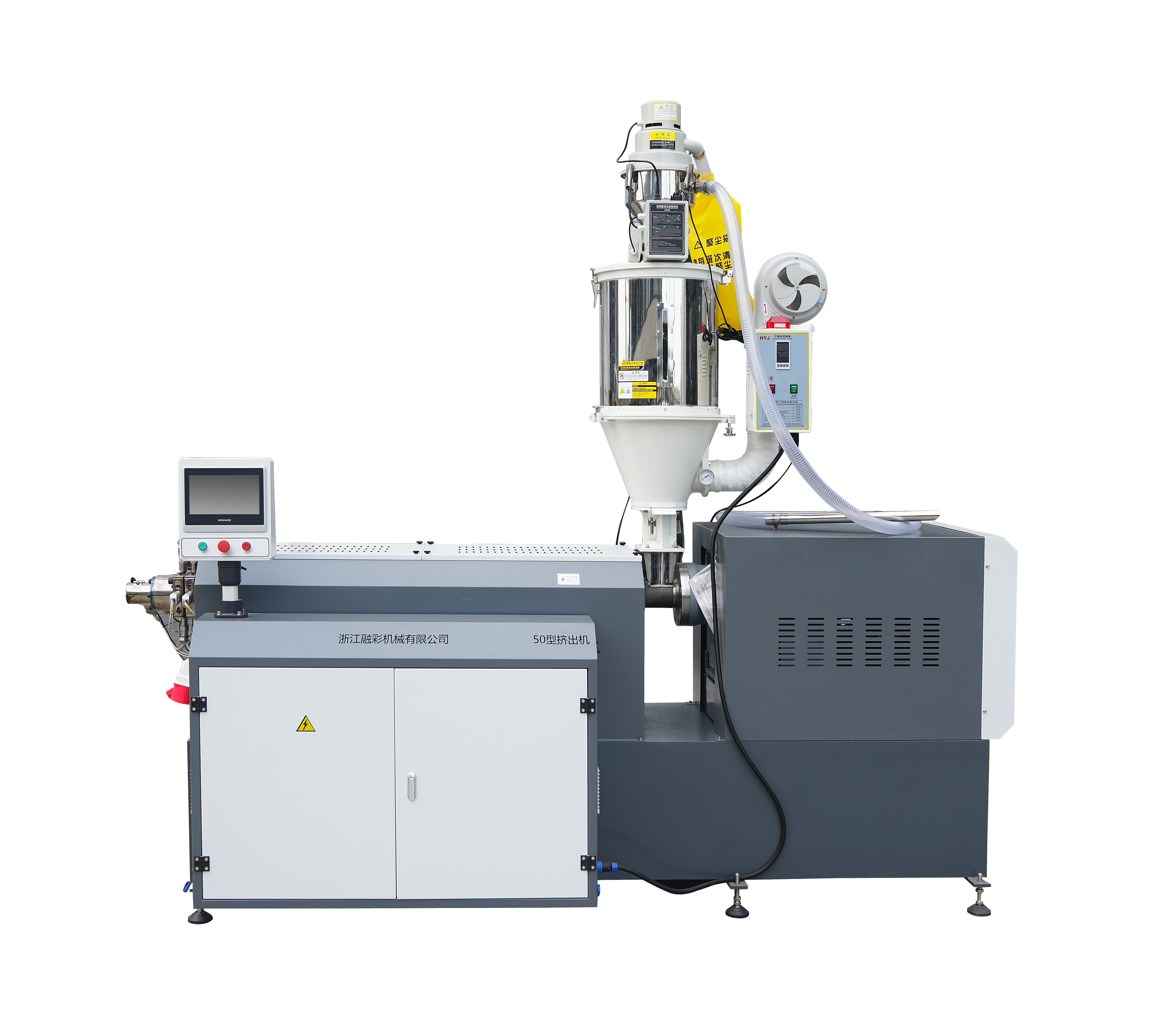
High-speed filament extruder with vacuum hopper, temperature control cabinet and operator panel

High-speed production

High-Speed Filament Production Solution

Use the documented high-speed configuration when output and line speed target the upper range.
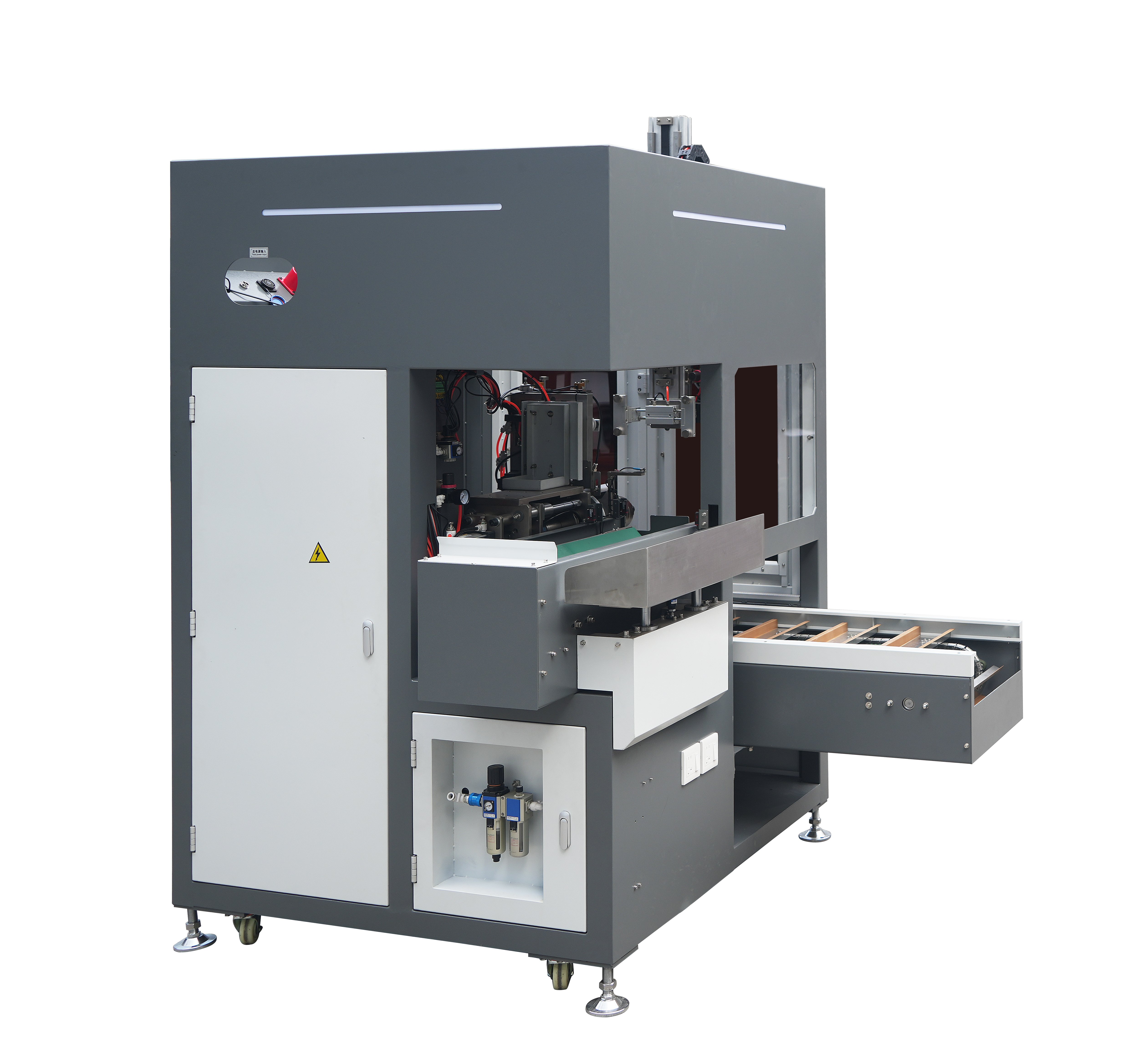
Automatic filament winding station seen from the wound spool out-feed side

Automatic winding

Automatic Filament Winding Solution

Finish the line automatically instead of handling every spool by hand.
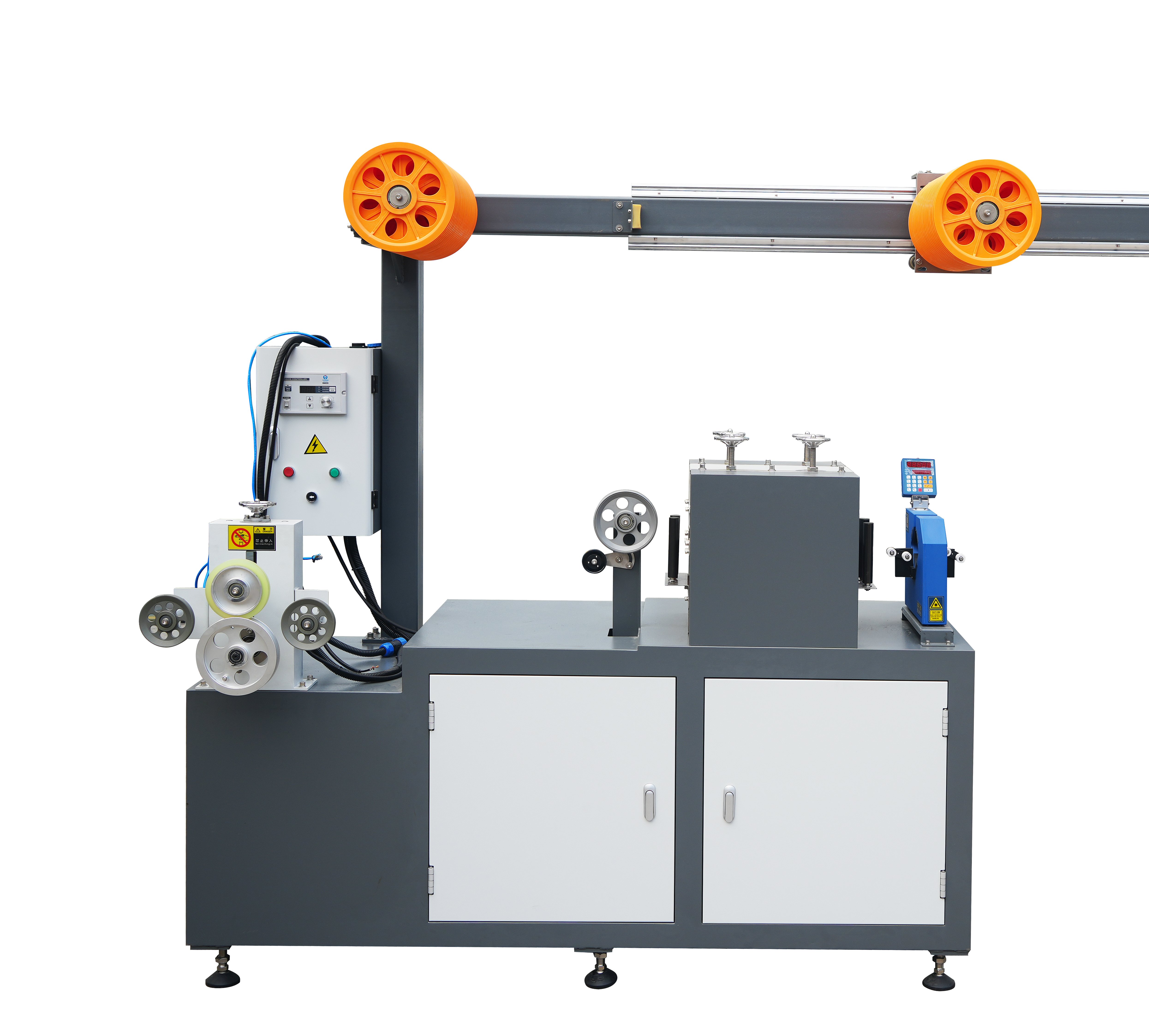
Storage line frame with dancing pulleys carrying filament ahead of the winding station

Configuration

Custom Filament Extrusion Solution

Agree the line configuration against your own material, output and spool specification.

Line equipment

The equipment that makes up the line

Photographed on the equipment that runs the process, in the order the filament follows it — from the extruder through cooling and diameter control to traction, storage and winding.
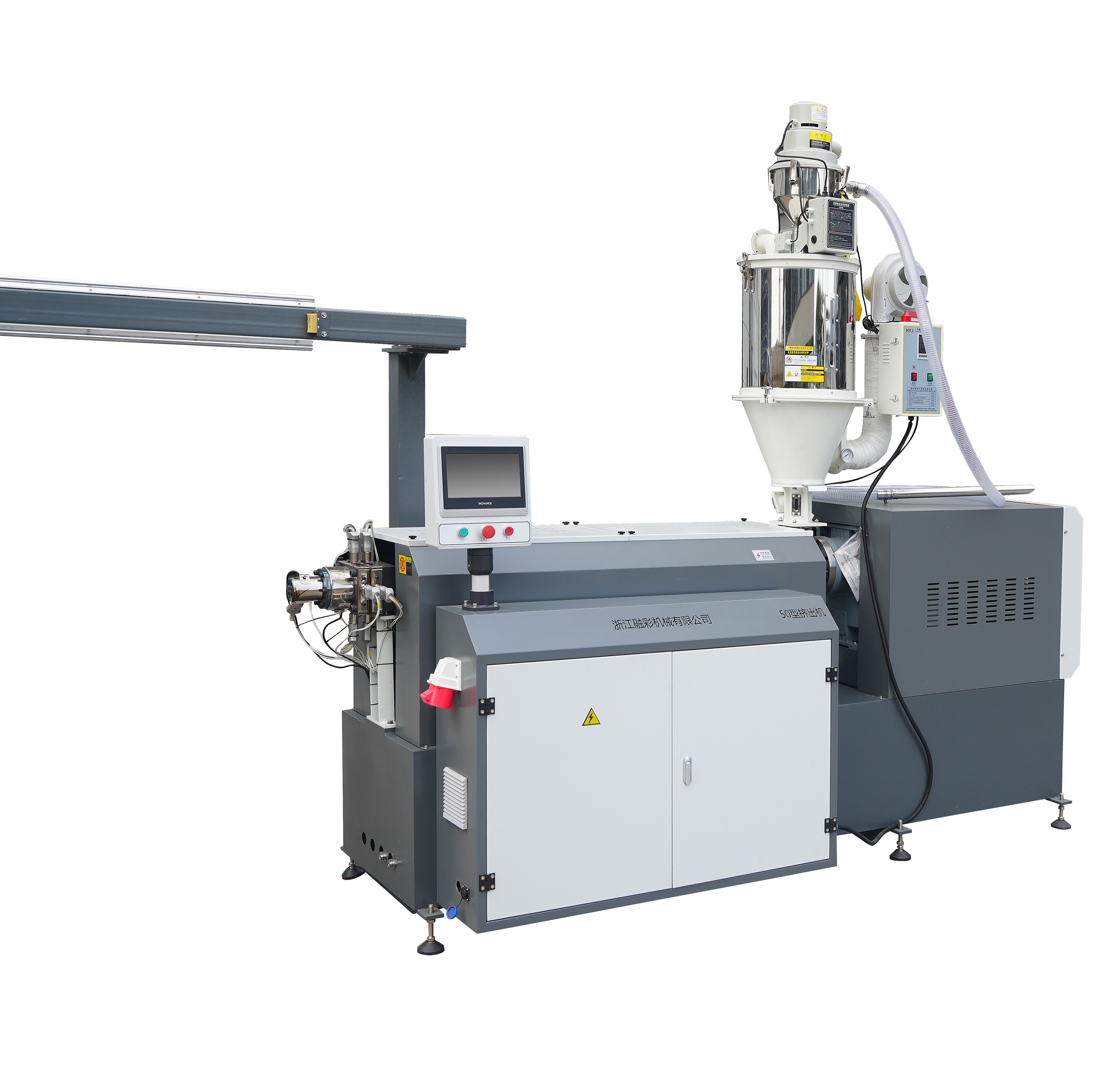
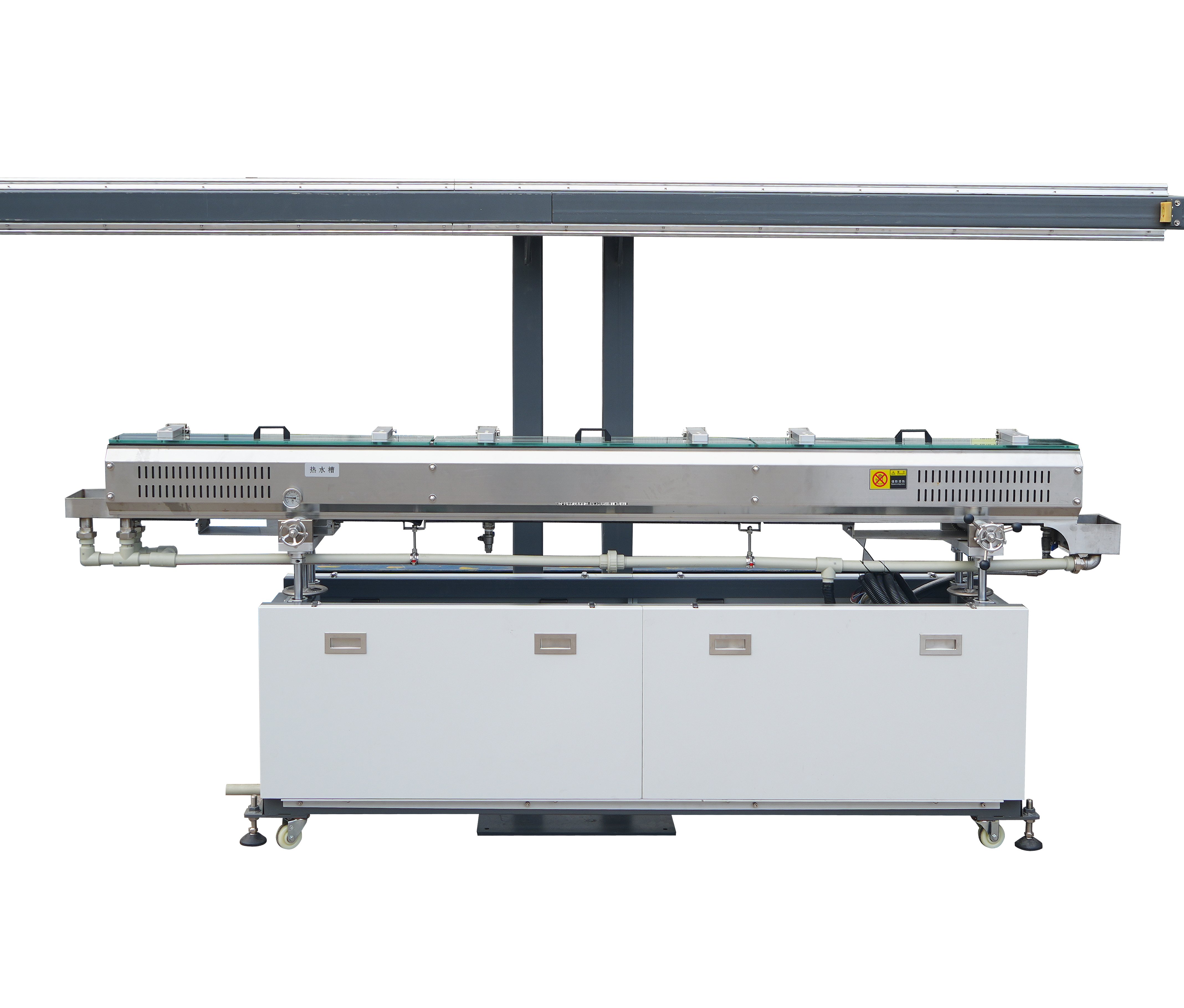
Single-screw filament extruder with vacuum hopper, temperature control cabinet and touch panel
Extrusion — single-screw extruder with vacuum hopper and temperature control cabinet
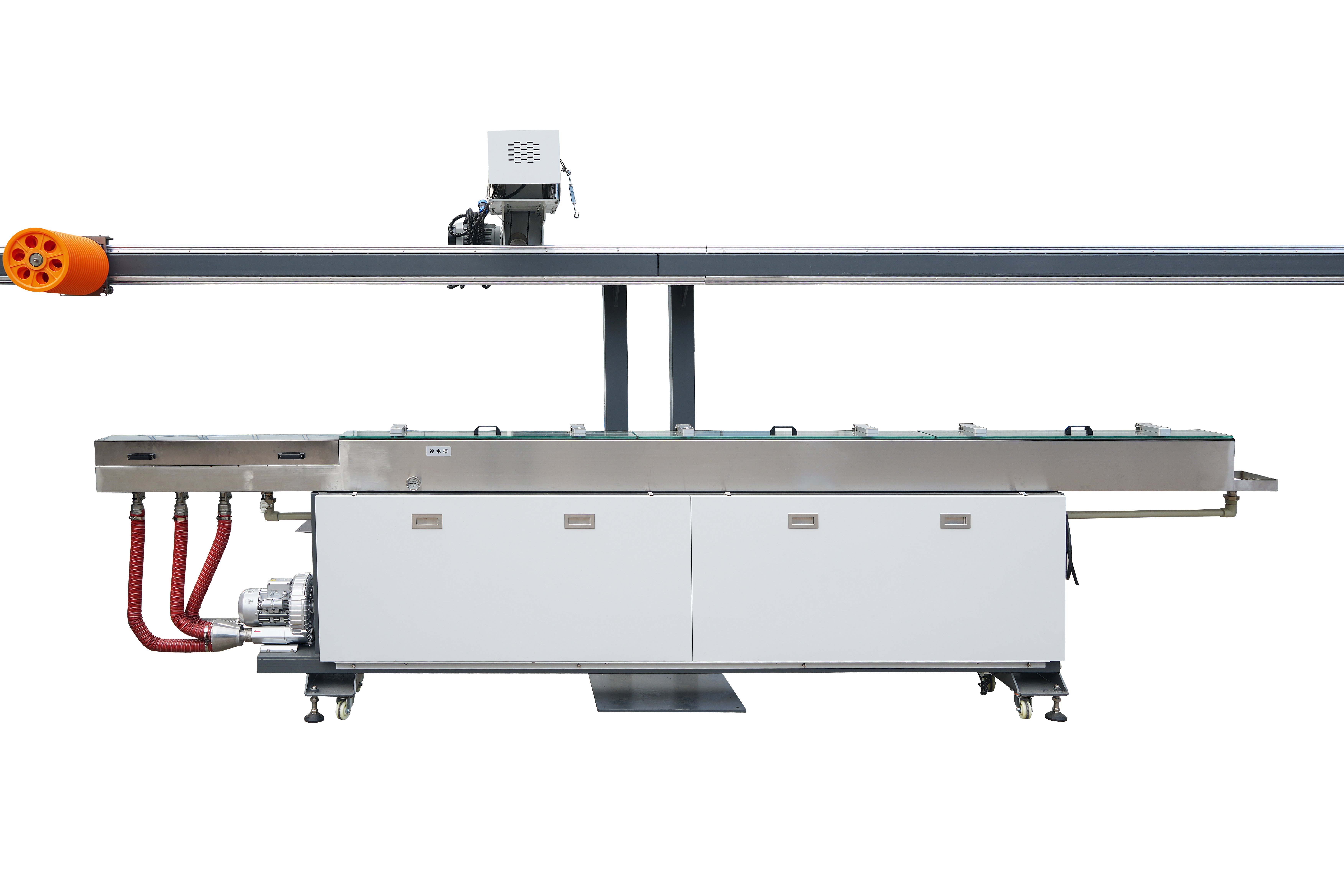
Hot-water tank with glass cover, circulation pipework and temperature gauge on the line frame
Cooling, first stage — hot-water tank with circulation pipework
Cold-water bath with chiller pump on the line frame
Cooling, second stage — cold-water bath with its chiller pump
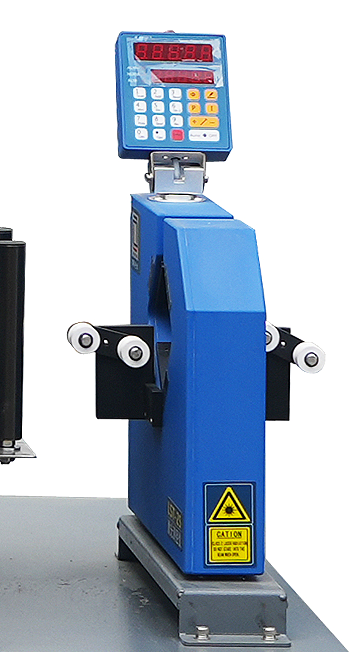
In-line laser diameter gauge mounted on the line with its digital display head
Diameter control — in-line laser gauge with digital display head
Storage line frame with dancing pulleys and a control box carrying filament ahead of winding
Traction and storage — storage line frame ahead of the winding station
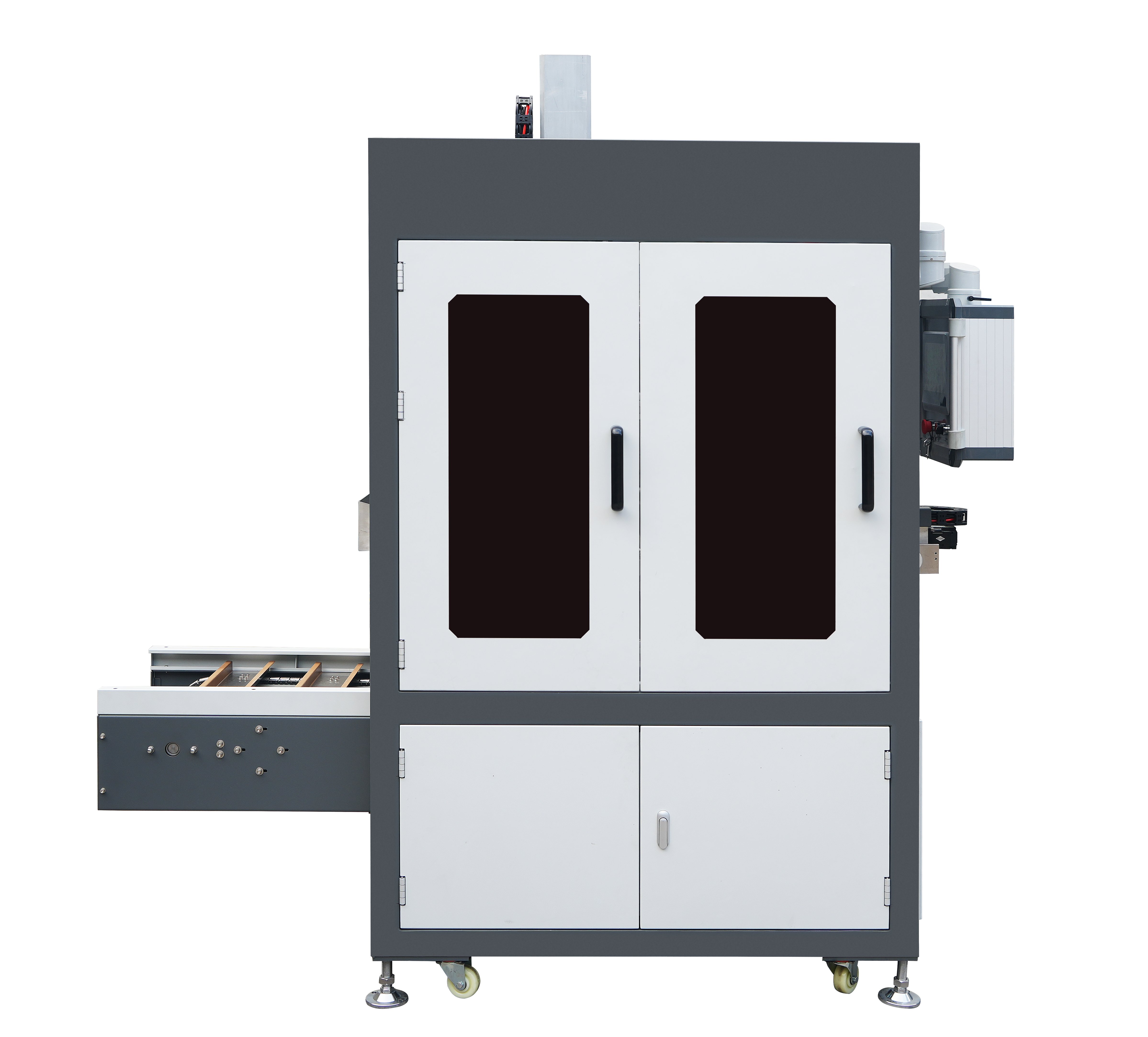
Automatic filament winding machine photographed from the front of the winding station
Automatic winding — winding station front with its control panel

Finished spool

Two ways the filament end is fixed

Automatic winding finishes the line either way; what changes is how the filament end is secured before the spool is packed.
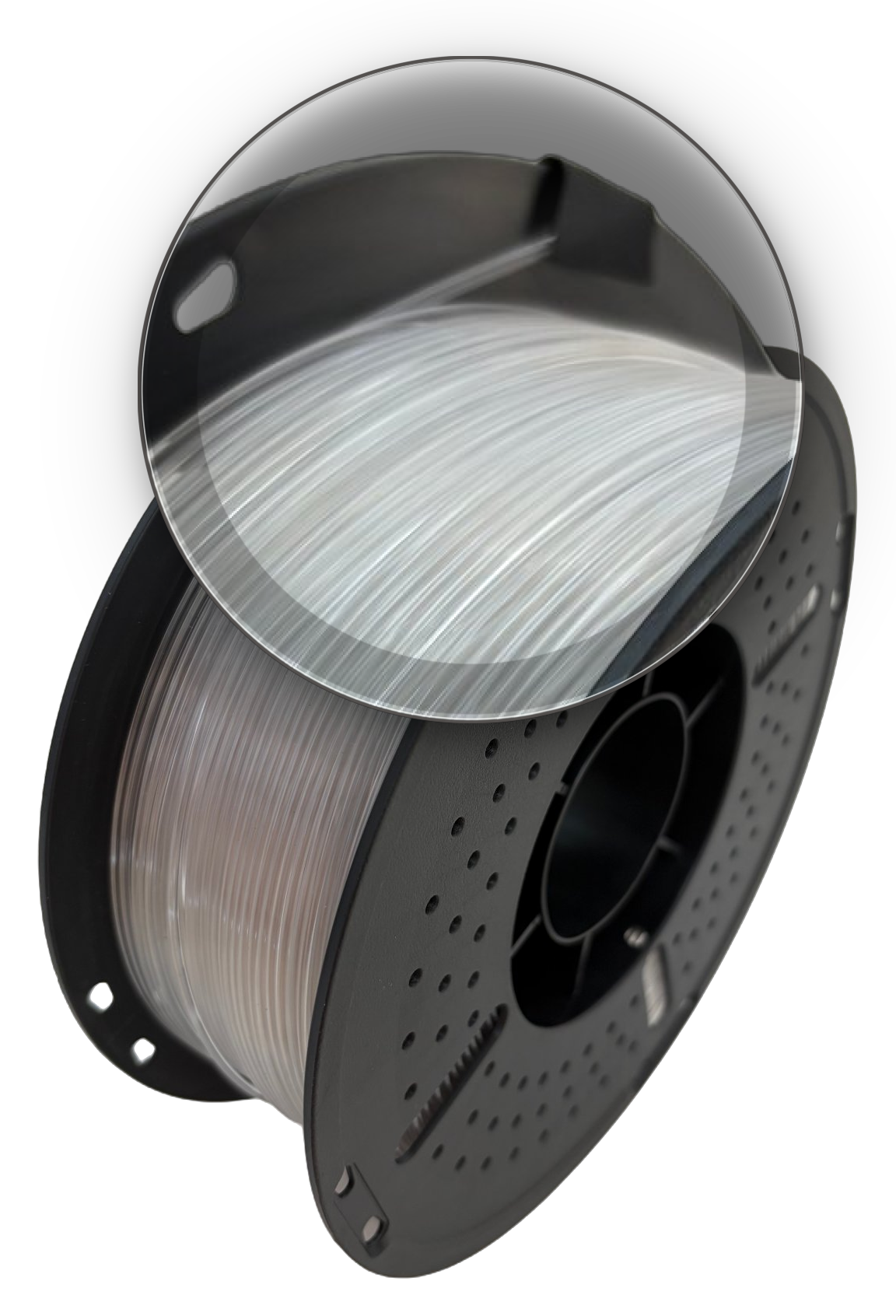
Finished 3D printing filament spool with the filament end held by tape

Tape fixing

The filament end is taped against the wound spool surface, so the spool is ready to pack without manual handling.

Finished spool from the tape fixing winding station
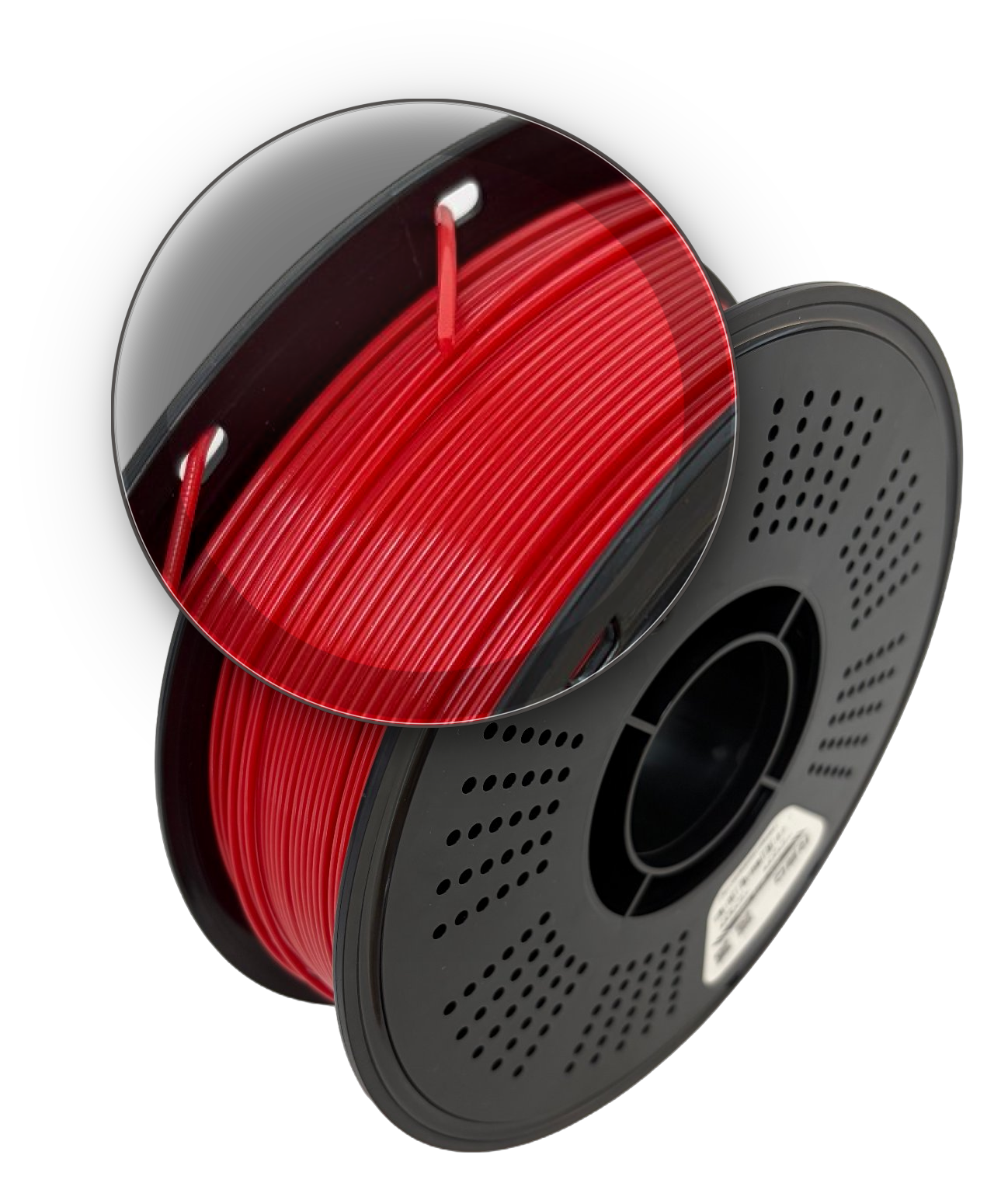
Finished 3D printing filament spool with the filament head and tail locked through holes in the spool core

Threading hole

The filament head and tail are locked through holes in the spool core, leaving a tape-free wound surface.

Finished spool from the threading hole winding station

Production workflow

Production workflow and equipment modules

  1. 01

    Raw material

    Polymer pellets are fed to the extruder under controlled conditions.

  2. 02

    Extrusion

    A 30:1 single-screw extruder melts and pushes material with six-stage PID temperature control.

  3. 03

    Cooling & shaping

    Hot-water and cold-water stages bring the strand to dimension in a controlled profile.

  4. 04

    Diameter control

    A dual-axis laser gauge reads the filament in line and reports drift while the run continues.

  5. 05

    Traction

    Servo traction holds line speed so downstream winding stays under control.

  6. 06

    Automatic winding

    The winding station spools filament under controlled tension with no manual handling.

  7. 07

    Finished spool

    The filament end is secured and the spool leaves the line ready for packing.

Configuration

What decides the configuration

  • Material to be processed — PETG, ABS, PLA, PLA+, etc.
  • Filament diameter and tolerance to be held
  • Target extrusion output and the production hours per day
  • Automation level required at the end of the line
  • Spool core diameter, maximum wound diameter and packed spool weight
  • Available power supply and the plant layout the line has to fit

Project service

Service around a production project

  • Installation and commissioning of the delivered line
  • Operator and maintenance training
  • Spare parts supply and remote technical support
  • Project review from requirement to confirmed configuration

Tell us your filament production requirement

Share the material, filament diameter, target output and spool specification. Rongcai reviews the configuration and prepares a quotation.