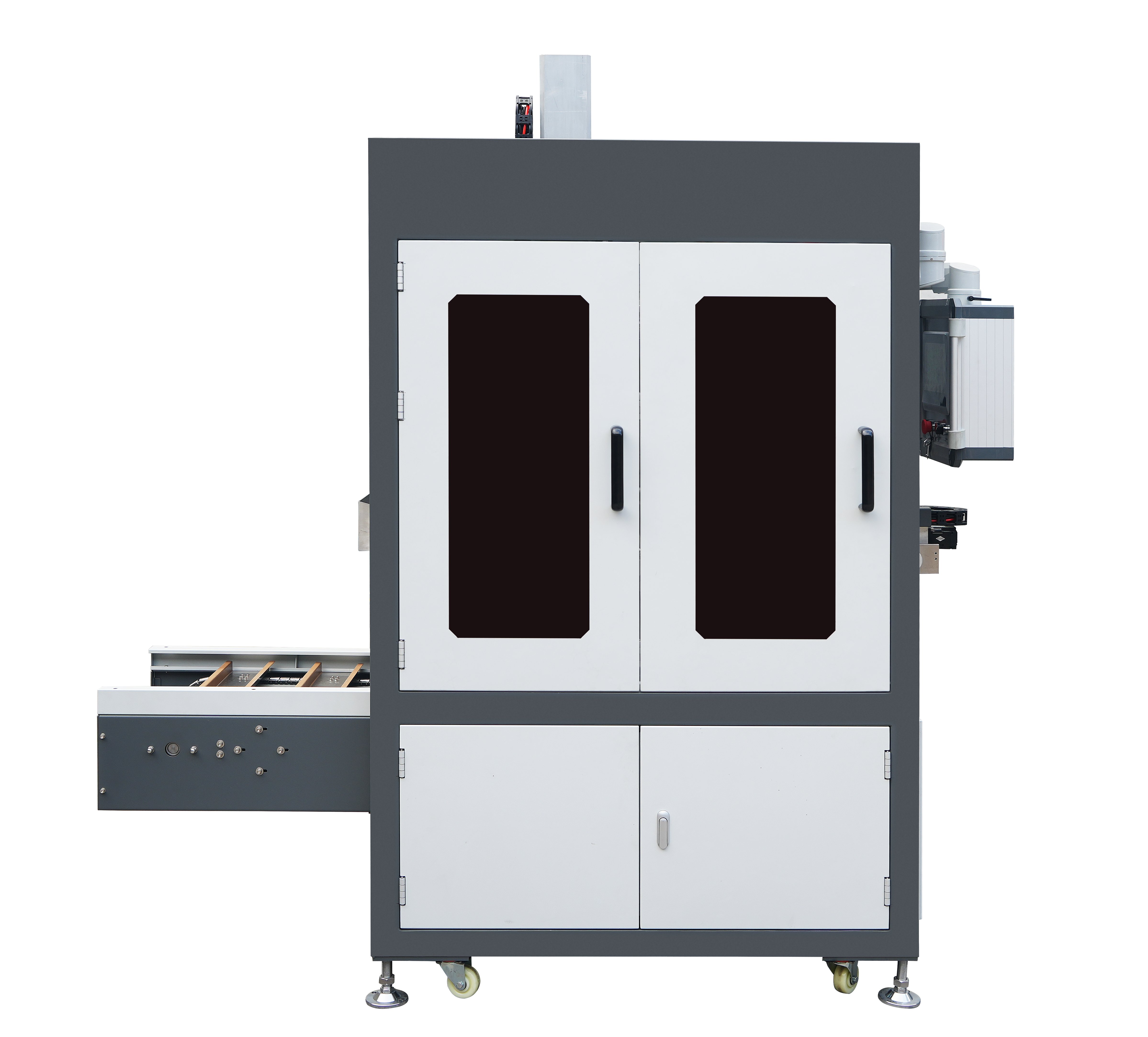
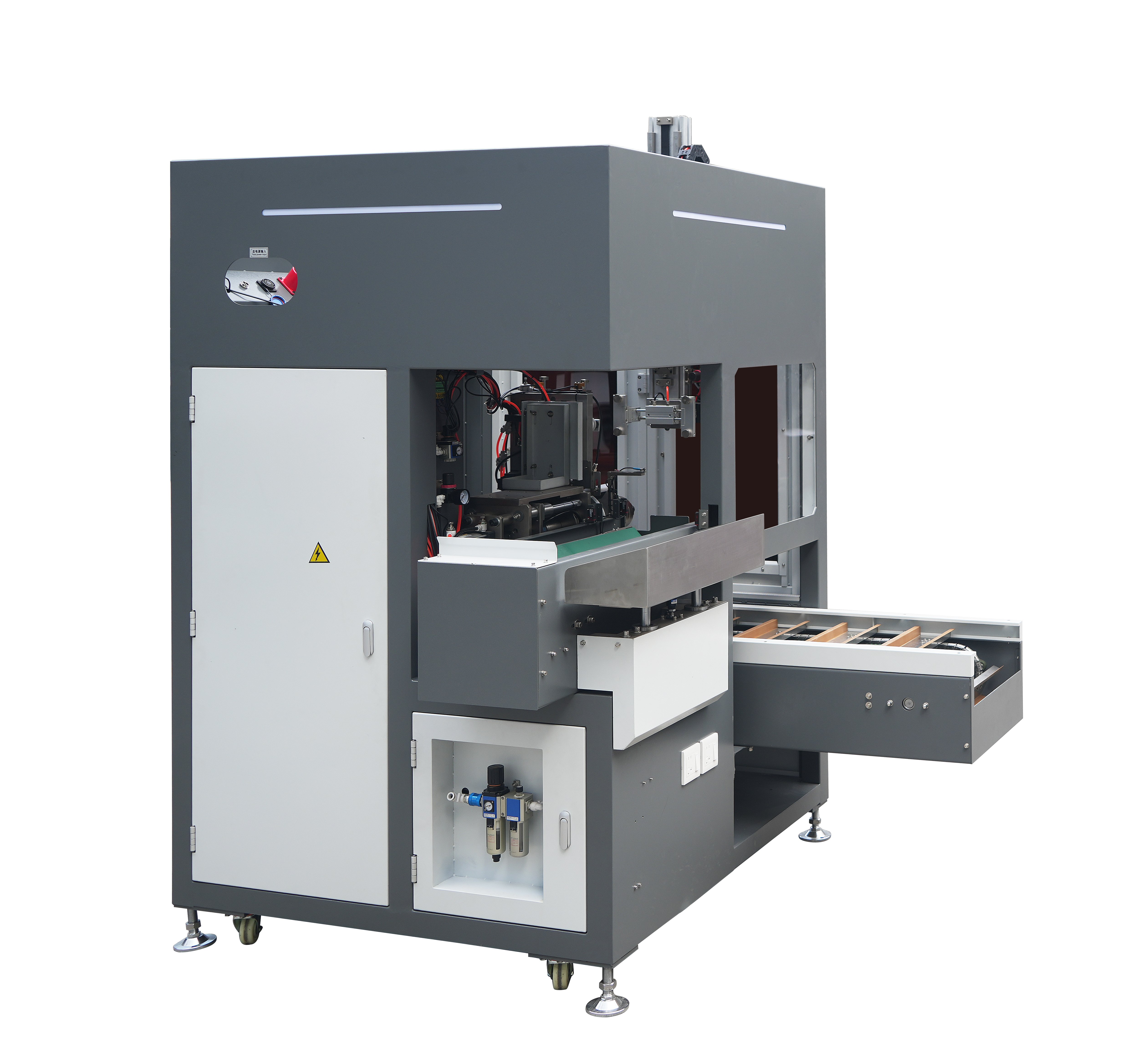
When you evaluate an automatic filament winder for a 3D printing filament production setup, work through these dimensions:
Filament Diameter
The station must handle the diameters you produce — commonly 1.75 mm and 2.85 mm spooling. Confirm the working range rather than assuming.
Winding Speed Matching
Winding speed must follow the traction speed set by the upstream line. An automatic winder that cannot track line speed forces the whole line to slow down; coordinated servo control avoids this.
Spool Structure and Fixing Type
Choose tape fixing or threading hole based on your spool supply and packing process (see the comparison above), and confirm the spool dimension range the machine accepts.
Integration with Your Line
A standalone station needs an input interface with your existing line; a new integrated line specifies winding together with extrusion, measurement and traction from the start.
Control and Operation
Look at how tension, spool alignment and spool change are handled. Automatic tension control and reliable end fixing are what keep winding from becoming the bottleneck of your production.
Spool Change Requirements
How often you change spools, and how the change is performed, affects both machine configuration and line uptime. Discuss your spool size and changeover expectations before ordering.